
As the world seeks renewable sources of energy, tidal energy emerges as the newfound land among all, utilizing the round-the-clock energy of ocean tides. Unlike traditional energy sources that depend on a depleting resource, tidal energy constitutes a clean, reliable, and sustainable alternative. Let’s explore how it works and why this technology is revolutionary for the energy sector in the future.
How Tidal Energy Works?
Tidal energy generation is based on the gravitational interaction exerted by the Earth-Moon-Sun bodies, resulting in the periodic rise and fall of sea levels. It describes the releasing of a maximum kinetic energy and potential energy of the tides to generate electricity. It essentially employs one of three main technologies:
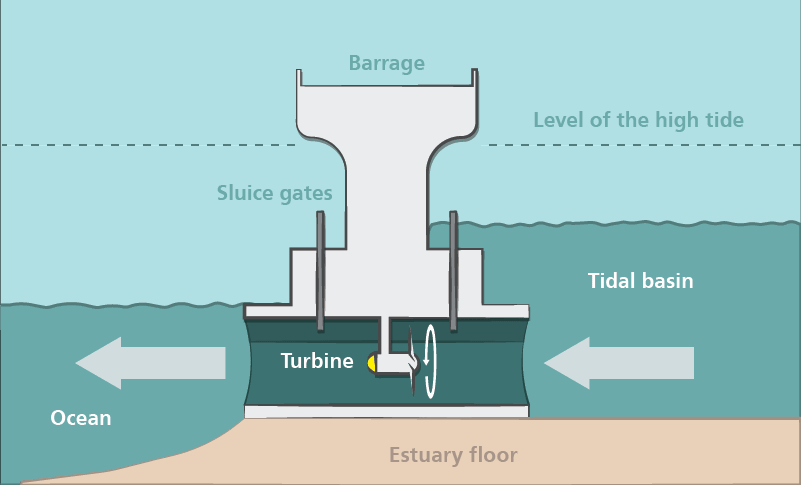
- Tidal Barrages: Tidal barrages are dams constructed across tidal estuaries. As the tide rises and falls, water runs through turbines that are embedded in the barrage and converts into electricity. These systems work like hydroelectric dams except that they use tidal flow rather than river current.
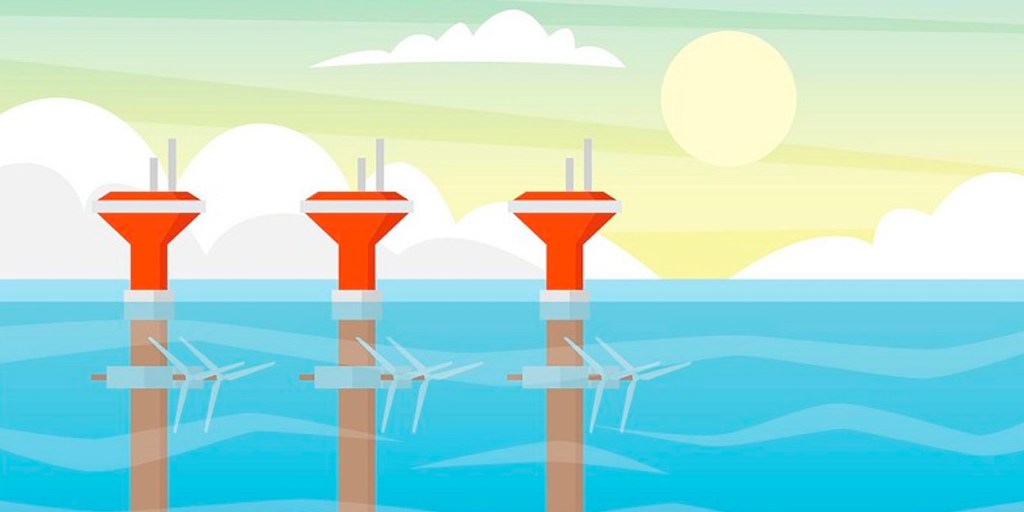
- Tidal Stream Generators: This is the underwater alternative of wind turbines installed in areas of fast-moving tidal streams. Water passing through the blades causes the turbine to spin, which drives a generator in turn. Compared to barrages, the system is less invasive to the ecosystems.
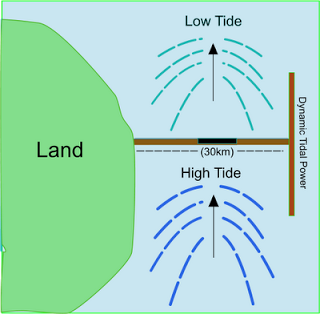
- Dynamic Tidal Power (DTP): This is a more recent and experimental form of technology whereby long dams reach from a base of several kilometers into the ocean to take advantage of tidal phase differences to generate energy even when tidal ranges are low.

Sustainability Advantages
Tidal energy is considered one of the best among renewable energy sources for a number of reasons.
- Predictability: Compared to solar and wind energy, which is dictated by weather, tidal energy is one of the most predictable forms of energy. This is mainly due to the fact that astronomically-defined tidal patterns do exist and are thus produced on a solid basis.
- Endurance and Reliability: These tidal energy systems are extremely capable, with barrages especially being designed to have a very long lifetime spanning several decades with minimum maintenance; hence, this long life will cause lesser long-term ecological and economical harm.
- Very Low Carbon Footprint: Tidal energy has negligible greenhouse gas emissions, thus playing an important role in combating climate change.
- Minimal Land Utilization: Compared to solar farms and wind turbines, tidal systems take up ocean space, leaving land free for other uses and causing minimal disturbance to marine life from land onshore.

Challenges and Innovations:
While tidal energy, being a potentially enormous future energy generation source, presents its challenges. These Challenges include high upfront capital costs, environmental concerns regarding marine ecosystems, and restricted locations for deployment. However, advancements in technology are improving the viability of tidal energy.
There are all reasons to think that tidal energy will play an enormous role in the switching to renewable energy. Tidal energy can provide cheap, renewable energy, and this is why it plays a vital role in the future energy plans. For technological advancements, there is much scope for improved performance, reduced costs, and immediate extensive adoption.
In conclusion, tidal energy represents a significant step forward in humanity’s quest for sustainable energy. By harnessing the rhythmic power of the tides, we unlock a reliable energy source that aligns with our environmental goals, paving the way for a cleaner, greener future.
 Ecovation